
Tapas: The Discipline That Fuels Transformation
Dwayne Fedoriuk | JUN 12, 2025
yoga
ayurveda
mindfulness
niyamas
Tapas: The Discipline That Fuels Transformation
Dwayne Fedoriuk | JUN 12, 2025
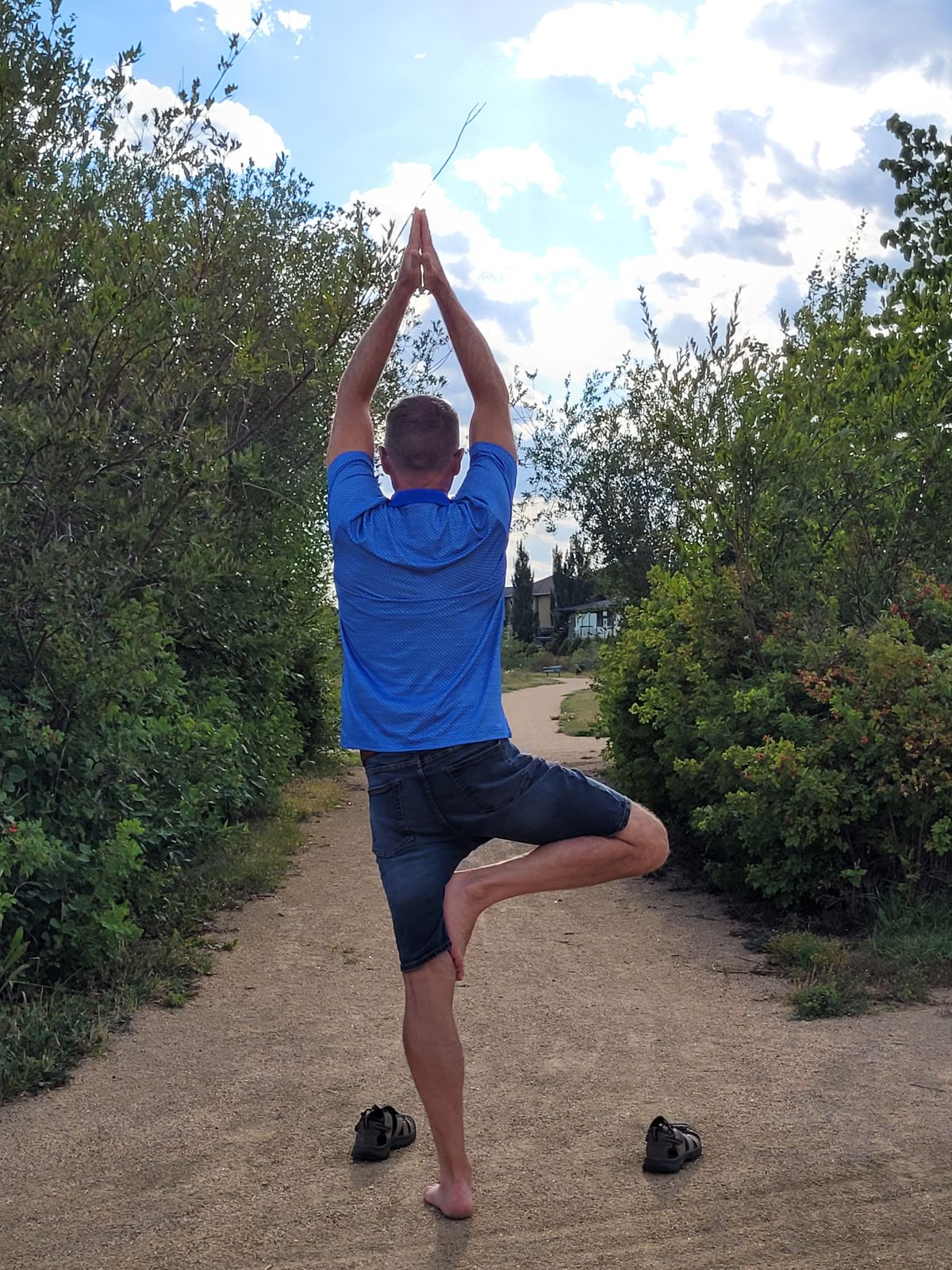
As we continue our journey through the Niyamas—the inner observances of yoga—Tapas invites us to explore the heat of transformation. If Santosha was about being, Tapas is about becoming.
What Is Tapas?
In Sanskrit, Tapas means “heat” or “a burning effort.” It’s the disciplined practice that burns away inertia, stagnation, and self-doubt. Tapas is what gets us on the mat even when we’d rather stay in bed. It’s the commitment to showing up—for ourselves, for our growth—even when it’s hard.
But Tapas isn’t about harshness or punishment. In the context of yoga, Tapas is a fierce yet compassionate self-discipline. It’s the internal fire that propels us forward, nudging us to evolve with integrity.
Tapas in Midlife: A Rekindling
In our mid-life and beyond, Tapas takes on a new tone. It might no longer be about peak performance or chasing big goals. Instead, it becomes a refined, soulful perseverance. The discipline to make choices aligned with vitality, to care for our bodies as sacred, and to keep the flame of curiosity alive.
This phase of life is a chance to ask:
What am I willing to commit to, again and again, for the sake of my wellbeing, growth, and purpose?
A Yogic Lens: Tapas in the Sutras
In The Yoga Sutras of Patanjali, Tapas is described as one of the three core practices of Kriya Yoga, along with Svadhyaya (self-study) and Ishvara Pranidhana (surrender to a higher power).
"Tapas svadhyaya isvarapranidhanani kriyayogah"
(Yoga Sutra 2.1)
Translation: “Self-discipline, self-study, and surrender are the practice of yoga.”
This sutra reminds us that discipline is not a solitary effort—it is woven with awareness and trust.
On the Mat: Practicing Tapas in Asana
Certain yoga postures can help stoke inner fire and cultivate steadiness:
Approach these postures with breath and patience—not to push, but to witness your own steadiness growing.
Practices to Cultivate Tapas Off the Mat
Ayurvedic Practices to Cultivate Tapas
Tapas as Self-Determination
Tapas is our determined effort to become someone of depth, courage, and clarity. It doesn’t require perfection—just persistence. In a culture often obsessed with quick fixes, Tapas reminds us: change happens in the slow burn.
Each time we return to our practice, each time we make a life-affirming choice, we tend the fire.
Here are some common ways people fall short in living out this principle, particularly in midlife or during times of transition:
1. Underestimating the Power of Small Actions - Many people wait for a “big change” moment or feel their efforts must be grand or perfect. They overlook how small, consistent actions—like 10 minutes of stretching, a daily walk, or drinking warm water—actually build lasting results. Tapas asks us to show up, even in small ways.
2. Choosing Comfort Over Growth - Comfort and familiarity are seductive, especially when life is busy or overwhelming. People may avoid challenge, delay decisions, or cling to habits that no longer serve them. But Tapas grows through conscious discomfort—choosing growth over ease, again and again.
3. Lack of Alignment Between Values and Actions - We may say we value health, peace, or self-awareness, but our daily choices (like overcommitting, skipping rest, or consuming media that depletes us) don’t always align. Tapas brings us back to integrity—living in a way that matches what truly matters to us.
4. Inconsistency or Lack of Routine -
Without structure, good intentions tend to fizzle out. Inconsistency can erode momentum and make us feel stuck or defeated. Tapas thrives in rhythm and ritual, not rigidity, but a kind of anchored consistency that builds inner strength.
5. Avoiding Self-Honesty - Self-study (Svadhyaya) complements Tapas because many people avoid looking honestly at their choices, patterns, or motivations. We often deflect responsibility or blame circumstances. But Tapas is about owning our agency—recognizing we have a choice, even if it's small.
Do any of these sound familiar to you? They do to me. We can always find excuses. When we overcome those excuses, through commitment, we are practicing Tapas!
Journal Prompt: Living the Fire of Your Choices
“The results we experience in life are often shaped by the small, consistent choices we make each day.”
Take a few quiet moments to reflect:
Note: Approach this reflection with kindness. Tapas is not about judgment—it’s about awakening to your power to choose, moment by moment.
Here are some Final Reflections
Tapas encourages us to walk through the discomfort of change with grace.
It whispers: You’re stronger than you think. Keep going. Tapas teaches us that the results we experience in life are often shaped by the small, consistent choices we make each day. When we align those choices with intention and care, we create a life that reflects our values and vitality.
Each time we return to our practice, each time we make a life-affirming choice, we tend the fire.
Coming Soon: Svadhyaya (Self-Study)
Be sure to subscribe so that you receive notifications on our future blogs!
Primary Resources
Dwayne Fedoriuk | JUN 12, 2025
Share this blog post
 OfferingTree