
Ishwara Pranidhana: The Art of Surrender
Dwayne Fedoriuk | JUN 26, 2025
niyamas
mindfulness
surrender
spiritual growth
wellness
sageviewwellness
yoga
Ishwara Pranidhana: The Art of Surrender
Dwayne Fedoriuk | JUN 26, 2025
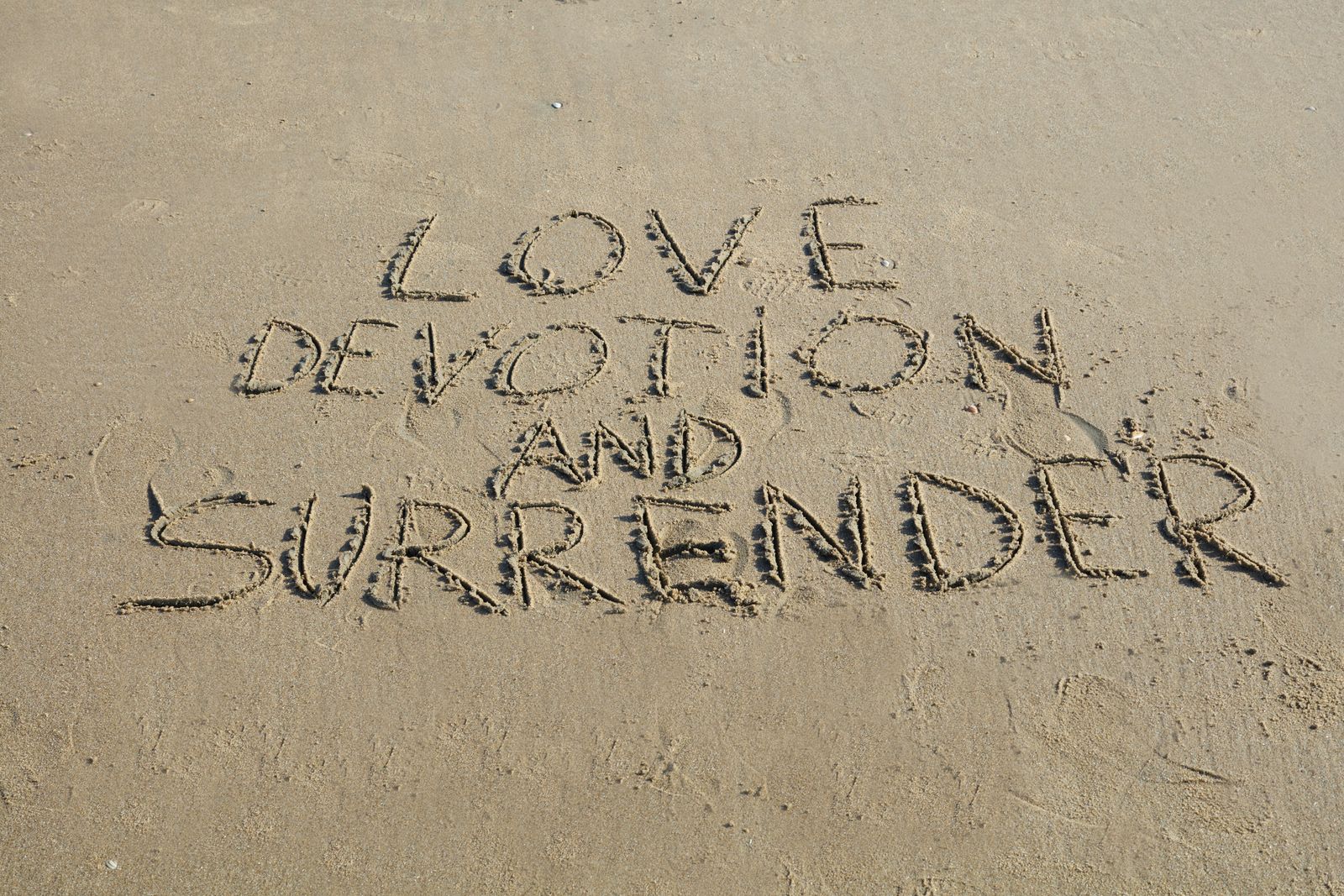
“Surrender is not giving up. It’s giving in—to something greater than the self.”
In this final Niyama of Patanjali’s Eight Limbs of Yoga, we arrive at perhaps the most mysterious and liberating of all: Ishwara Pranidhana, often translated as surrender to a higher power.
At first glance, surrender may sound like passivity. But in yoga, it’s a deep trust in life itself—a release of resistance, and an invitation into peace.
Yoga Sutra II.45:
“Samādhi-siddhir īśvara-praṇidhānāt”
By surrendering to the Divine, one attains unity.
This doesn’t mean we stop showing up for our lives. It means we stop gripping so tightly to the outcome. We do our part—and let go of the rest.
Surrender in Modern Life
Ishwara can mean God, Nature, Universal Truth, or Inner Self—whatever aligns with your worldview. This practice is about humility and trust.
In daily life, Ishwara Pranidhana might look like:
A Midlife Perspective
As we grow older, we begin to understand that control is often an illusion. Ishwara Pranidhana becomes a pathway to inner freedom.
We begin to allow ourselves to understand that no matter what comes our way, no matter how difficult the obstacles or challenges become, the powers that be are converging to help us on our journey, surrounding us with an invisible force of grace.
“What if surrender isn’t weakness, but wisdom?”
In our 50s and beyond, we may begin releasing identities that no longer serve us—careers, roles, beliefs. In that space, a deeper connection emerges.
On the Mat: Practicing Surrender
"In understanding that when our ego practices Yoga, there can be no Yoga." - Bhavani Silvia Maki (The Yogi's Roadmap)
Surrender can be experienced physically through yoga:
Rather than forcing your practice, surrender invites curiosity, softness, and presence.
Practices to Cultivate Ishwara Pranidhana
Final Reflection
Surrender doesn’t mean we stop caring—it means we stop clinging. It is a courageous choice to trust, soften, and flow with life, rather than fight against it.
Sutra II.45: “Samādhi-siddhir īśvara-praṇidhānāt” (“By surrender to God, perfection in Samadhi is attained.”) — central sutra for Ishwara Pranidhana
“Try to be like the turtle – at ease in your own shell!” – Bill Copeland
Journal Prompt
What would it feel like to stop trying to control everything?
What can I surrender today?
What can I say 'no' to today, so I can say 'yes' to something new tomorrow?
Be sure to subscribe so that you receive notifications on our future blogs!
Dwayne Fedoriuk | JUN 26, 2025
Share this blog post
 OfferingTree